Turning a new inclusion strategy into a five-year plan


Key Takeaways
- American Golf is Europe's largest golf retailer, with more than 770 people across over 90 stores in the UK and Ireland.
- Includability delivered American Golf's Cultural Roadmap in September 2025, covering six pillars of workplace culture.
- American Golf's Cultural Roadmap drew on a Company Support Survey, six calls with independent Partner Experts and the company's own data.
- American Golf combined its roadmap recommendations with employee feedback to shape Fairway, its inclusion strategy, and a five-year action plan.
- American Golf's board backed the Fairway strategy, which now runs through its engagement survey, recruitment process and policies.

The starting point
When Joanna Griffin joined American Golf as Head of People and Safety, the business had no inclusion strategy in place. She was reviewing the work so far and looking for a partner to help decide what came next.
"I wanted to partner with someone who would not only review what we had, but help us define what the next step looks like and recommend how we could move the dial." Joanna Griffin, Head of People and Safety, American Golf
The People team had already made a strong start. It had run pulse surveys on inclusion, begun revising its policies and relaunched the company values as PRIDE: Passion, Respect, Integrity, Drive and Expertise. Listening groups across stores and the retail support centre were giving people a direct line to leadership, and the team had started drafting Fairway, its inclusion strategy.
Two things were harder to pin down. One was accountability at manager level. The other was moving from hiring mainly for golf knowledge to a more inclusive, values-led approach. Giving the leadership team one clear picture of culture across all six areas was, in Joanna's words, very difficult.
What we did together
American Golf's Cultural Roadmap drew on three sources of evidence.
- Company Support Survey. A temperature check across all six pillars, so the calls started with us already understanding the business.
- Six expert calls. One per pillar, each led by an independent Partner Expert in that field. The calls brought in the People team, health and safety, and the operations and people leadership, and covered stores, golf complexes and the retail support centre in Warrington.
- American Golf's own data. Pulse survey results, policies, the draft Fairway strategy and HR information.
American Golf runs more than 90 stores, so the calls looked closely at how support reaches store teams, not only the people based at head office.

What the Cultural Roadmap looks at
Every Cultural Roadmap covers all six pillars: Diversity and Inclusion, Mental Health, Wellbeing, Sustainability and Impact, Talent Management, and Leadership and Governance. Each pillar is reviewed by an independent Partner Expert working in that field, and each gets the same four lines in the executive summary.
- Maturity level. A written description specific to that organisation.
- Working. What is going well, with the evidence behind it.
- Watch. What is fragile, inconsistent or under pressure.
- Priority. The specific move to make next.
The roadmap then pulls the pillars together into Strategic Cultural Initiatives, the themes that run across several areas, and points to practical support through our marketplace and Academy. Every roadmap now includes two further reviews.
- Burnout Risk Review. Where workload, peaks and working patterns could build pressure, which groups feel it most, and the practical steps that build resilience within teams.
- JEDI Gap Analysis. A map of current practice against Justice, Equity, Diversity and Inclusion good practice, showing where evidence is in place, partial or still to build. Each gap links to a section of our JEDI Toolkit, and the work stands on its own for organisations that are not B Corps.
What we see in specialist retail
Specialist retailers often start from a strong position. Their people know and love the product, and customers come back for that expertise. The challenges we see come from scale and spread.
- Managers are often promoted for sales. The strongest seller becomes the store manager, with little training in leading people, yet they set the culture their team feels every day.
- Head office moves faster than stores. New support tends to land first where people sit at a desk. Store teams on shifts, part-time hours or without a work email can miss it.
- One standard across many sites is hard. With dozens of stores, the experience of working there can depend on which store and which manager you have.
- Hiring for product knowledge narrows the pool. Recruiting people who already know the sport keeps expertise high but tends to bring in the same kind of person, so attraction and selection are the biggest levers on who joins.
- Peaks put pressure on customer-facing teams. Seasonal rushes, weekends and busy store floors make burnout prevention a matter of planning, not just good intentions.
If a peer asked you whether Includability was worth it,
what would you tell them?
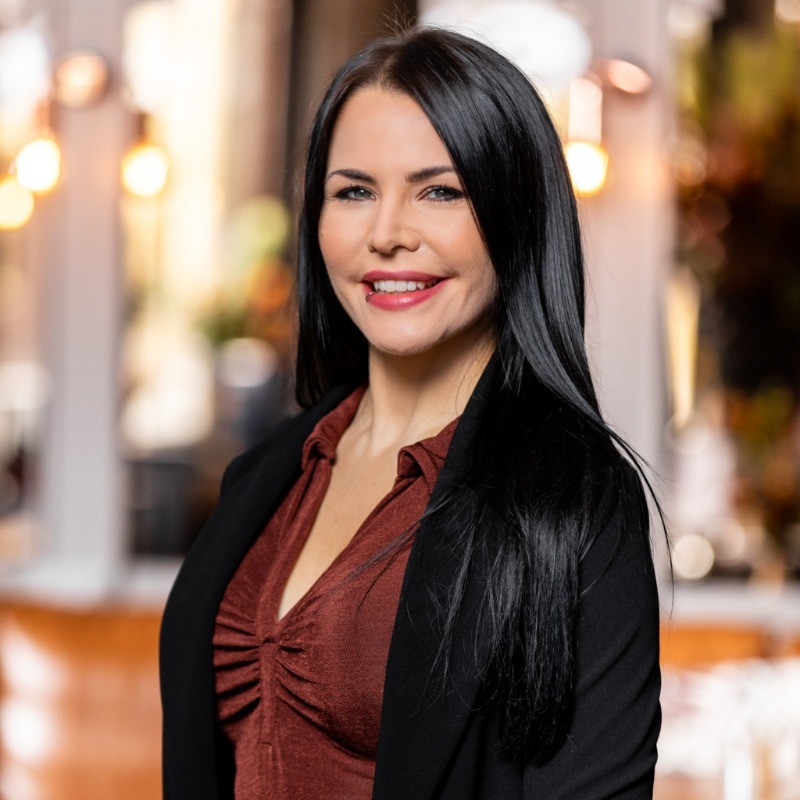
Joanna Griffin, Head of People and Safety, American Golf
Shared with the leadership team
Joanna shared the roadmap's findings with the board, alongside the Fairway strategy.
"They felt it had been through a thorough review. Taking the employee views from the engagement survey, combining them with the recommendations in the Includability report and creating our Fairway EDIB policy and strategy ensured that we were not just paying lip service to the project."
American Golf has since built its Fairway action plan, bringing the roadmap's recommendations together with its own EDIB pillars. It now has:
a structured five-year plan
a leadership commitment statement
a wellbeing hub
EDI training
Fairway now reaches managers across the business.
"The leadership team and managers are aware of our Fairway strategy and it's integrated into touchpoints such as the engagement survey, recruitment process and policies. Includability helped us really hone in on actions that would make a difference and communicate this in the right way to our employees."
As a Committed Employer, American Golf also has two Burnout Awareness First Aider places each year. The training runs over four sessions: two on understanding burnout and two on building resilience in teams.
We will check back in with American Golf later in the partnership to see what has changed.
FAQs
What is a Cultural Roadmap?
A Cultural Roadmap is a board-ready report from Includability that shows where an organisation's workplace culture stands across six pillars and what to prioritise next. It is built from a Company Support Survey, six calls with independent Partner Experts and the organisation's own data.
How long does a Cultural Roadmap take?
The six expert calls are usually completed within six to eight weeks. The roadmap then takes around three to four weeks to build.
Do you need to be a B Corp to have a Cultural Roadmap?
No. American Golf is not a B Corp. Every Cultural Roadmap now includes a JEDI Gap Analysis, and the work stands on its own for organisations that are not B Corps.
What did American Golf do after receiving its Cultural Roadmap?
American Golf shared the findings with its board alongside its Fairway strategy, then built a five-year action plan with a leadership commitment statement, a wellbeing hub and inclusion training.